Supplements vs. Diet
Eating a whole-food diet is the best foundation for long-term health: whole grains, legumes, vegetables, fruits, nuts and seeds deliver fiber, phytonutrients and a broad spectrum of vitamins and minerals that modern processed foods simply don’t provide. Numerous clinical studies show whole-food, plant-forward dietary patterns are linked with lower risks of cardiovascular disease, better metabolic health and improved markers of inflammation and longevity. PMC
However, the reality of modern agriculture means that even the cleanest diet today may not deliver the same mineral density it once did. Soil depletion, industrial farming practices and long-term monocropping have altered the nutrient profile of food. This is where high-quality supplementation can complement — but never replace — a real food foundation.
Think of supplements as support tools: they help fill gaps and optimize how the body uses nutrients, but they don’t replace the intelligence of whole foods. PMC

Supplements don’t replace food — they optimize what food delivers
Supplements are useful when they:
-
Replace a shortfall (e.g., B12 for strict vegans, vitamin D in low-sun climates).
-
Provide targeted therapeutic doses (e.g., therapeutic magnesium for cramps).
-
Support absorption or bioavailability of nutrients you’re already getting from food.
- Support modern stressors on the body.
What they cannot do is replicate the complex matrix of fiber, plant compounds and naturally occurring co-nutrients that exist in whole foods.
The real power comes from synergy: eating a clean, diverse, whole-food diet and pairing it with targeted supplements that help the body actually absorb and use what it consumes.
The missing piece: digestion and nutrient absorption
One key reason people can eat well and still feel depleted is impaired digestion and absorption.
When digestion is compromised — whether from low stomach acid, insufficient enzymes, inflammation, microbiome imbalances or stress — nutrients are not broken down or absorbed as efficiently. You can be eating nutrient-dense foods and still not getting the full benefit.
This is where certain supplements can be especially helpful, not as cures, but as supportive tools.

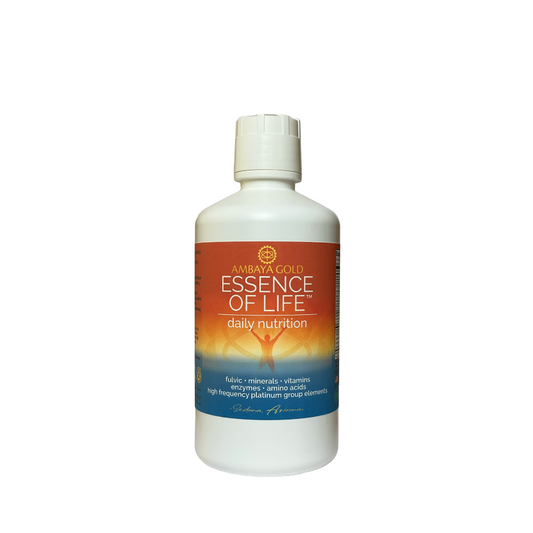
Fulvic acid — what it is and why it matters for nutrient absorption
Fulvic acid is one component of humic substances — small, water-soluble organic molecules formed when plant and microbial matter decomposes in healthy soil. Because of its small size and complex chemistry, fulvic acid can chelate (bind) minerals, interact with cell membranes and influence how nutrients are transported and taken up by cells. Several biomedical reviews and experimental studies report that fulvic and other humic substances can influence nutrient uptake, gut function, and even drug absorption — which is why fulvic acid is of interest as a supplement that may increase the bioavailability of minerals and other nutrients. PMC+1
The science: how fulvic acid can enhance nutrient uptake
Two mechanisms are most commonly described in the literature:
-
Chelation and delivery: fulvic acid forms small, soluble complexes with minerals (iron, calcium, magnesium and trace elements) that can stay dissolved and more easily cross intestinal membranes. This can increase the fraction of dietary minerals that ends up absorbed rather than excreted. Experimental studies in plants and mammals — and compositional analyses of fulvic preparations — support this chelation and transport role. MDPI+1
-
Gut and cell-level effects: fulvic acid interacts with cell membranes and the microbiome in ways that may alter absorption pathways and cellular uptake. Reviews of humic substances show effects on gut health, inflammation and metabolic pathways that are plausibly linked to improved nutrient handling. PMC

A number of agronomy papers also show that fulvic/humic-type treatments improve plant nutrient uptake and availability in soils — this supports the idea that fulvic molecules are biologically active in mediating mineral availability across biological systems. Nature
Safety and quality — what the research says
Human toxicology and clinical assessments indicate purified fulvic preparations have an acceptable safety profile when made to quality standards and taken at appropriate doses; there are published human safety studies and reviews that provide dose-context and highlight the importance of sourcing and purity. As with any supplement that affects absorption, quality control (tested for contaminants) and dosing guidance are essential. PMC+1
Fulvic acid and digestion: what it can and cannot do
It’s important to be honest and clear.
Fulvic acid does not replace:
-
Digestive enzymes
-
Stomach acid
-
Bile flow
-
Foundational gut repair
But it can help in the second phase of nutrition:
Phase 1: Digestion → breaking food down
Phase 2: Absorption → moving nutrients into the bloodstream and into cells
Fulvic acid primarily supports Phase 2.
This makes it especially helpful for people who:
-
Eat a clean diet
-
Want better nutrient utilization
-
Feel they may not be absorbing as efficiently as they could
For more severe digestive imbalances, fulvic acid works best alongside enzymes, proper diet and gut-supportive practices, rather than as a stand-alone solution.

Why pairing a whole-food diet + fulvic acid makes sense right now
-
Soil nutrient decline: multiple analyses have documented reductions in some mineral concentrations in major crops over the last decades. That makes it harder to rely on food alone for every micronutrient — even when you eat whole foods. Choosing higher-quality produce and considering targeted support is therefore a sensible hedge. PMC
-
Organic and regenerative practices often produce higher phytonutrient density: several meta-analyses show that organically grown foods can contain higher levels of some antioxidants and lower pesticide residues — buying organic where possible reduces toxic load and can increase the nutrient density of your plate. (This matters especially for produce you eat commonly and raw.) PMC
-
Synergy = best outcomes: a nutrient-rich whole-food plate provides the fiber, phytochemicals and matrix that your body needs. Adding a carefully sourced fulvic acid supplement can help make the minerals and trace elements from that plate more available to your body — improving the return on investment from eating well. MDPI+1

Practical tips for pairing whole foods with fulvic acid (and supplements generally)
-
Start with food quality: make whole, minimally processed foods the base of every meal. Emphasize legumes, colorful vegetables, whole grains, nuts and seeds. When possible, choose organic for produce you eat frequently or raw. Always buy from your local farmer's market if possible! PMC+1
-
Use supplements to fill specific gaps: B12 for vegans, vitamin D if you’re low, and targeted minerals if testing shows deficiency. Don’t use supplements as an excuse to eat more processed foods.
-
Add fulvic acid as an absorption enhancer, not a replacement: consider a quality fulvic product (third-party tested) as part of a regimen that includes nutrient-dense meals. Follow dosage guidance from product labels or a healthcare practitioner. PMC
-
Test if you can: a simple blood test for iron, B12, vitamin D and other relevant markers will show whether you’re absorbing nutrients effectively — and whether supplementation is helping.
-
Buy quality: fulvic products vary. Choose suppliers with transparent sourcing, certificates of analysis, and contaminant testing. Purity matters because fulvic concentrates minerals and organics — you want the good and not the bad.
Takeaway
Whole foods are foundational. Soil health and modern farming mean food quality matters more than ever. Supplements — and fulvic acid in particular — are powerful allies that can improve how your body uses the nutrients from whole foods, but they are companions, not replacements. Prioritize a whole-food, low-processed diet, choose organic where possible, and then use high-quality fulvic and targeted supplements to close the gaps and get the most from every meal. PMC
Selected sources / further reading
-
Therapeutic potential and effects of fulvic acid (review). PMC
-
Quality and in vivo assessment / characterization of fulvic preparations. MDPI
-
Comprehensive toxicological assessment of fulvic acid (safety data). PMC
-
“An alarming decline in the nutritional quality of foods” — analysis of soil and crop nutrient declines. PMC