Regulate Your Nervous System (Not Just Reduce Stress)
Regulate Your Nervous System (Not Just Reduce Stress): How Somatic Movement, Breathwork, Cold/Heat Exposure & Trauma-Informed Practices Support Wellness
In today’s holistic health landscape, people are moving beyond short-term stress management toward true nervous system regulation — practices that help your entire body respond to life with resilience, rather than merely tamping down symptoms. This shift reflects a deeper understanding of how the nervous and immune systems interact, and how intentional lifestyle tools can support overall wellness.
Why Regulation Matters More Than Stress Reduction
Conventional stress reduction often focuses on relaxation or short breaks from tension. But real nervous system regulation involves strengthening your body’s ability to return to balance after stress, promoting adaptability rather than temporary calm.
Modern research shows that the nervous system communicates directly with the immune system in a two-way dialogue — an area of science called psychoneuroimmunology.
In simplified terms:
-
Neural pathways (like the autonomic nervous system) and immune cells constantly exchange signals that influence inflammation, recovery, and adaptation.
-
Vagus nerve signaling, part of the parasympathetic system, helps modulate inflammation and supports immune homeostasis through what scientists call the cholinergic anti-inflammatory pathway.
This scientific framework helps explain why practices that regulate the nervous system may also create a more resilient internal environment — not by “fixing”, but by supporting natural physiological balance.
Somatic Movement: Healing Through Body Awareness
Somatic practices, rooted in mindful movement and trauma-informed principles, encourage your nervous system to recognize safety and release chronic tension patterns anchored in the body. Somatic movement refers to gentle, mindful movement practices that focus on internal body awareness (how movement feels from the inside), rather than external performance, stretching, or fitness goals.
The word somatic comes from the Greek soma, meaning “the living body experienced from within.”
Key benefits:
-
Enhances interoceptive awareness — the ability to sense internal body states
-
Helps shift out of prolonged fight-or-flight responses (sympathetic dominance)
-
Encourages integration of movement and nervous system signals
Rather than simply stretching or exercising, somatic movement invites the body to repattern habitual stress responses and cultivate a grounded baseline of stability.

Breathwork: A Direct Path to the Nervous System
Breathing isn’t just for oxygen — it’s a direct line to your autonomic nervous system. Conscious, intentional breathwork stimulates the vagus nerve, balancing the sympathetic (“go”) and parasympathetic (“rest”) branches.
Studies show:
-
Structured breath patterns (like extended exhale breathing) can increase parasympathetic activation and improve heart rate variability (a marker of resilience).
-
Combined breathwork and cold exposure has been associated with measurable decreases in perceived stress.
Because your breath influences how your body interprets safety and threat, it’s one of the most accessible tools for strengthening regulation.
Extended Exhale Breathing: How to do it
-
Inhale through the nose for 4 seconds
-
Exhale through the nose or mouth for 6–8 seconds
-
Continue for 2–5 minutes
Best for: Anxiety, overwhelm, emotional regulation, sleep preparation
Cold & Heat Exposure: Hormetic Stress for Balanced Response
Intentional exposure to cold or heat challenges the nervous system in controlled ways that can build resilience over time.
Research on combined breathwork and cold exposure shows that:
-
These practices can reduce perceived stress more than either alone.
While cold exposure research on immune function is still emerging, narrative reviews suggest potential improvements in sleep, inflammation markers, and general wellbeing — though more large-scale studies are needed.
Important: Always approach cold/heat exposure safely and consult a healthcare provider if you have cardiovascular or other medical concerns.

Trauma-Informed Practices: Safety First
Trauma-informed approaches honor that the body and nervous system may have adaptive survival patterns shaped by past experiences. Rather than forcing relaxation, these practices help the nervous system recognize safety and build internal capacity over time.
This can include:
-
Gentle movement or yoga approaches tailored for regulation
-
Breathwork designed with trauma sensitivity
-
Grounding and orienting exercises
The goal isn’t to dismiss stress, but to increase your nervous system’s range of flexible responses.

The Nervous System–Immune System Connection
The connection between nervous and immune function is supported by decades of research in psychoneuroimmunology. Experts have shown that:
-
Signals from the nervous system (via neurotransmitters and vagus nerve pathways) can influence immune responses, inflammation, and stress hormone regulation.
-
Long-term stress affects immune balance by altering hormonal and neural signals, which can shift the immune environment over time.
This reinforces the idea that building nervous system resilience is a foundational piece of overall wellness — supporting digestion, sleep, mood, and immune responsiveness as part of a whole-body network.
Supporting Wellness With Complementary Nutrition
Alongside mind-body practices, nutrition and nutritional supplements can offer foundational support for general wellness when used responsibly and in consultation with a healthcare provider.
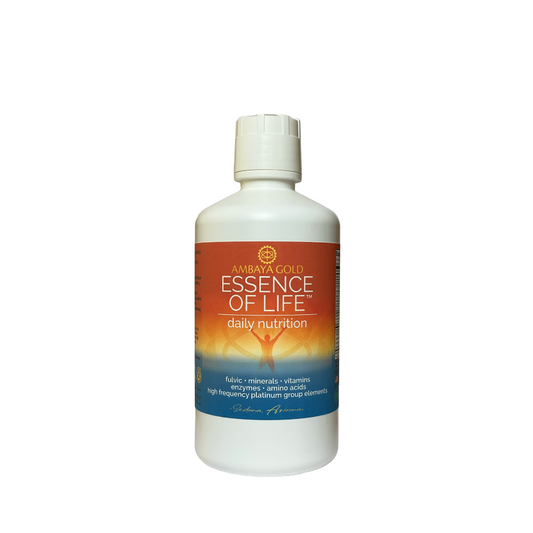
Our Immune System Boost product — featuring fulvic acid, bio-stabilized oxygen, silver, and gold — is formulated to support your body’s natural defenses and energy pathways as part of a broader health routine. Fulvic compounds, for example, are known in nutritional communities for helping with micronutrient transport and cellular function, while oxygen components support cellular respiration in a wellness context.
When combined with regular nervous system regulation practices, this kind of product may complement your efforts to feel balanced and resilient — always being mindful to follow usage directions and consult a practitioner for personalized guidance.
*Statements about nutritional support are rooted in traditional uses and general wellness contexts, and are not intended to diagnose, treat, cure, or prevent any disease.
The Power of Tai Chi Gung for Nervous System Regulation
One gentle yet profoundly effective practice for nervous system regulation is Tai Chi Gung, a slow, meditative movement system rooted in Traditional Chinese Medicine. Research suggests that Tai Chi and Qigong practices support autonomic balance by increasing parasympathetic (rest-and-digest) activity while reducing sympathetic (fight-or-flight) dominance. These practices combine intentional movement, breath awareness, and focused attention — a triad shown to support heart rate variability, perceived stress reduction, and overall emotional regulation.
Studies have also observed associations between Tai Chi practice and improved immune markers, balance, and overall quality of life, particularly in older adults. Rather than forcing relaxation, Tai Chi Gung gently trains the nervous system to move fluidly between states of activation and rest, reinforcing resilience, grounding, and internal coherence over time. We highly recommend the wonderful community of Circle of Chi, which offers multiple membership options where they teach the powerful movements of Chi Gung.
Bringing It All Together
Rather than chasing short-term stress relief, nervous system regulation lays the groundwork for sustainable wellbeing. Tools like somatic movement, breathwork, cold/heat exposure, and trauma-informed practices help your body respond to life with flexibility and resilience — shaping not just how you feel in the moment, but how your internal systems communicate and adapt over time.
When paired thoughtfully with lifestyle support such as balanced nutrition and mindful movement, you’re helping create an environment where your body can operate more harmoniously.